Instant PDF Downloads • Make Something Beautiful Today
Search Sellixy Patterns

Author name: zaidhussainofficial@gmail.com

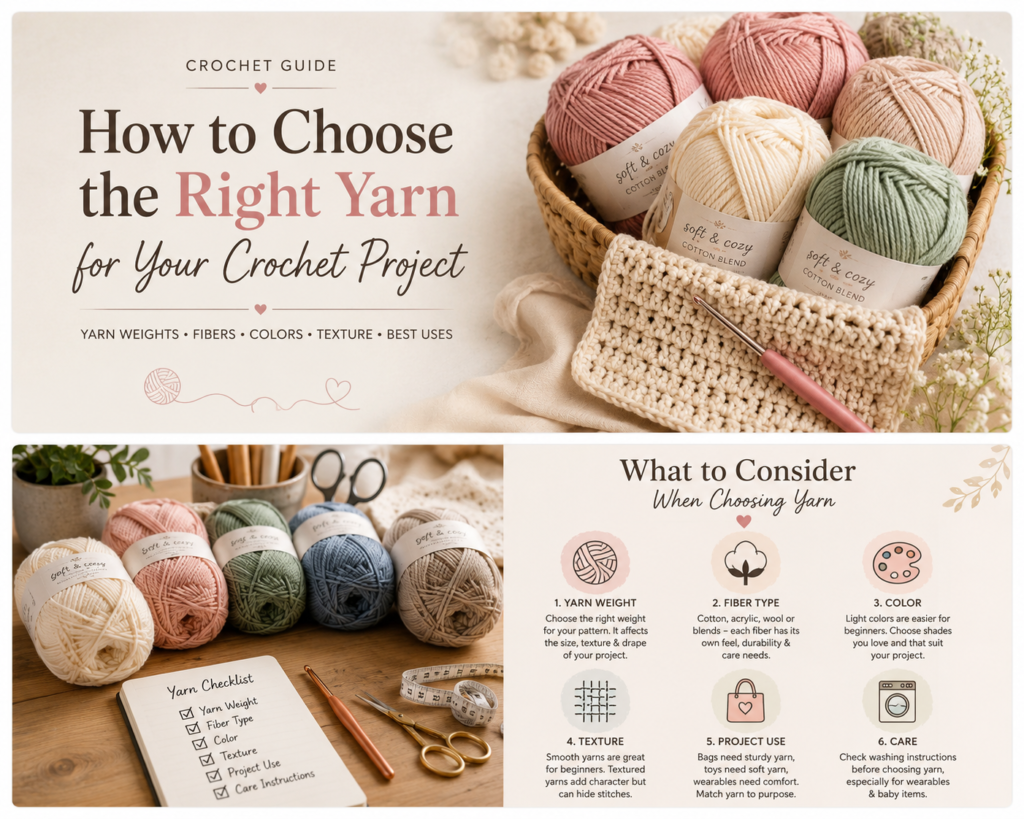
How to Choose the Right Yarn for Your Crochet Project
Crochet

How to Choose the Right Yarn for Crochet Project

How to Choose the Right Yarn for Your Crochet Project Choosing yarn is one of the most enjoyable parts of starting a crochet project. Soft colors, different textures, cozy fibers, and beautiful yarn labels can make you want to bring home everything in the craft store. But for beginners, choosing the right yarn for crochet can also feel confusing. Should you use cotton or acrylic yarn? Is chunky yarn easier than thin yarn? Does the yarn color matter? What does yarn weight mean? And which yarn is best for crochet toys, bags, blankets, flowers, or home décor? The right yarn can make your crochet project easier, neater, and more enjoyable. The wrong yarn does not mean your project will fail, but it can make stitches harder to see, change the final size, or create a texture that does not match the pattern. This beginner-friendly crochet yarn guide explains how to choose yarn for crochet projects, what yarn weights and fibers mean, and how to find the best yarn for your next handmade idea. Start With Your Crochet Pattern The easiest way to choose yarn is to begin with the pattern instructions. Most digital crochet pattern PDFs include a materials section near the beginning. This section usually recommends: Yarn weight Fiber type Suggested colors Approximate amount of yarn needed Crochet hook size Optional alternative yarn choices Try to follow the yarn weight recommended by the pattern, especially when making your first few projects. Yarn weight affects the size, shape, texture, and overall look of your finished item. For example, a small amigurumi pattern written for cotton yarn may become much larger if you use chunky yarn. A bag pattern created for thick t-shirt yarn may become too soft or floppy if made with thin acrylic yarn. You do not always need to use the exact yarn brand named in a pattern. What matters most is choosing a yarn with a similar weight and texture. Understand Crochet Yarn Weight Yarn weight does not mean how heavy the yarn ball feels. It describes the thickness of the yarn strand. Different yarn weights create different stitch sizes and work best for different kinds of crochet projects. Here are the most common yarn weight categories: Lace and Fingering Weight Yarn Lace and fingering weight yarn are very thin. They are often used for delicate crochet projects, lightweight garments, fine shawls, and detailed lacework. These yarns can create beautiful results, but they are usually not the best choice for beginner crochet projects. Thin yarn can make stitches harder to see and count. Sport and DK Weight Yarn Sport and DK yarn are slightly thicker than fingering yarn. They are popular for lightweight clothing, baby items, scarves, and smaller crochet accessories. DK yarn can work well for beginners who want a softer, finer result. However, it still requires more attention than medium-weight yarn. Worsted Weight Yarn Worsted weight yarn, sometimes called medium weight or category 4 yarn, is one of the best yarn choices for crochet beginners. It is thick enough to see your stitches clearly, but not so thick that the project becomes difficult to handle. Worsted weight yarn is great for scarves, granny squares, small baskets, simple bags, home décor, and many beginner-friendly crochet projects. A 4.5 mm, 5 mm, or 5.5 mm crochet hook often works well with medium-weight yarn, depending on the yarn label and pattern instructions. Bulky and Super Bulky Yarn Bulky yarn is thick, soft, and quick to work with. It is often used for cozy blankets, chunky scarves, baskets, pillows, and fast crochet projects. Bulky yarn can feel satisfying because projects grow quickly. However, it may be harder for beginners to see individual stitches if the yarn is fuzzy or textured. Choose a smooth bulky yarn if you want to try this weight. Avoid very fluffy or eyelash-style yarn for your first project because it can hide your stitches. Choose the Right Yarn Fiber Yarn can be made from many different fibers. Each fiber has its own feel, stretch, texture, durability, and care requirements. The most common yarn fibers for crochet are acrylic, cotton, wool, and blended yarns. Acrylic Yarn for Crochet Acrylic yarn is one of the most popular choices for beginner crochet. It is affordable, widely available, lightweight, and comes in many colors. Acrylic yarn is a great option for: Scarves Blankets Granny squares Simple accessories Beginner practice projects Decorative crochet items Plush toys and amigurumi Acrylic yarn is usually easy to wash and does not require special care. It can also be soft and comfortable, especially when you choose a good-quality yarn. For beginners, smooth acrylic yarn in a light color is often one of the easiest materials to crochet with. Cotton Yarn for Crochet Cotton yarn is strong, breathable, and has a clean stitch definition. It is especially popular for crochet bags, coasters, flowers, dishcloths, market bags, summer accessories, and home décor. Cotton yarn works well for projects that need more structure. For example, a crochet flower vase, basket bag, or decorative item may look neater with cotton because it holds its shape well. Cotton yarn is a good choice for: Crochet bags Coasters Placemats Flowers Home décor Baby accessories Amigurumi toys Washcloths One thing to remember is that cotton yarn has less stretch than acrylic yarn. It can feel slightly firmer in your hands, especially when you are practicing. But it creates beautiful, clean stitches once you get comfortable. Wool Yarn for Crochet Wool yarn is warm, soft, and naturally elastic. It is commonly used for winter hats, scarves, sweaters, mittens, and cozy cold-weather projects. Wool can be lovely to crochet with, but it may need more careful washing. Some wool yarns should be hand-washed, while others are machine washable. For a first crochet project, acrylic or cotton yarn is usually easier and more affordable. As your confidence grows, you can explore wool blends and more natural fibers. Blended Yarn for Crochet Blended yarn combines two or more fibers. Common blends include cotton-acrylic, wool-acrylic,
Essential Crochet Supplies For Every Beginners
Crochet

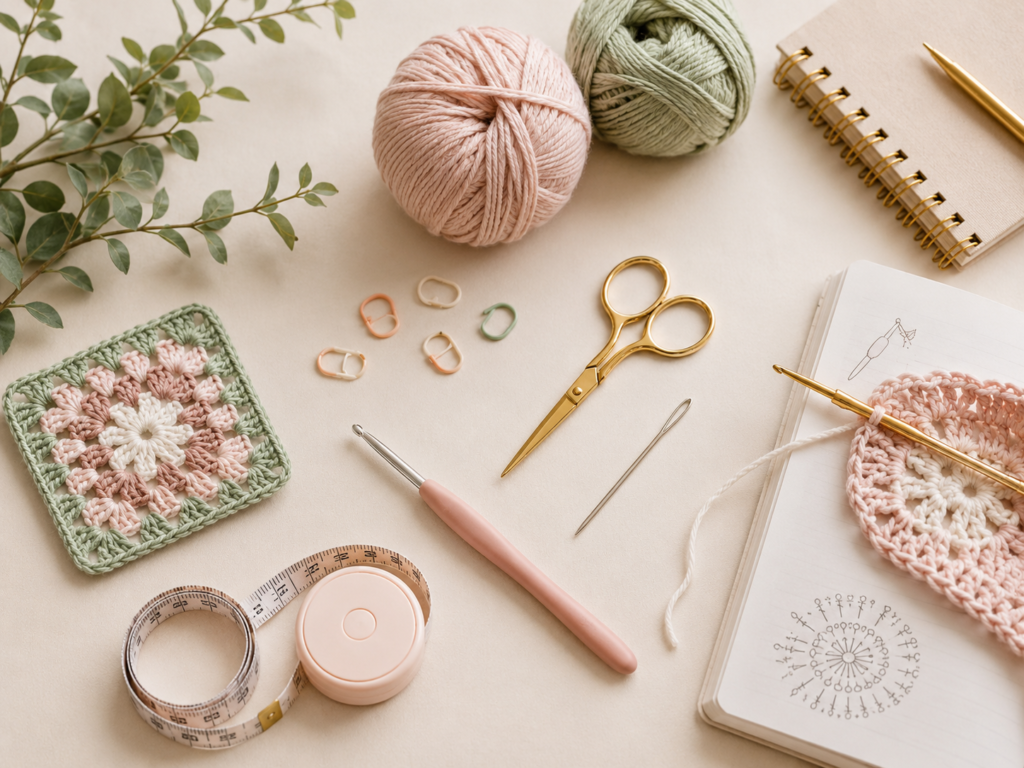
10 Essential Crochet Supplies Every Beginner Needs

10 Essential Crochet Supplies For Every Beginners Needs Starting crochet is one of the most relaxing and rewarding creative hobbies you can choose. With just a few simple tools, you can turn yarn into cozy home décor, handmade gifts, cute amigurumi animals, stylish bags, and meaningful keepsakes. However, walking into a craft store or searching online for crochet supplies can feel overwhelming at first. There are different yarn weights, dozens of crochet hook sizes, stitch markers, needles, measuring tools, and accessories that may seem necessary. The good news is that you do not need to buy everything at once. A beginner crochet kit can be simple, affordable, and easy to build. Once you have the right essential crochet tools, you can confidently begin your first project and learn as you go. This guide explains the 10 essential crochet supplies every beginner needs, why each item matters, and how to choose the best options for your first few crochet projects. 1. Yarn for Beginners Yarn is the heart of every crochet project, so choosing the right one makes learning much easier. For beginners, medium-weight yarn is usually the best place to start. It is often labelled as worsted weight, aran, or medium 4 yarn. This type of yarn is thick enough to see your stitches clearly, but not so bulky that your project becomes difficult to manage. A smooth yarn is also easier to work with than fuzzy or textured yarn. While fluffy yarn can look beautiful in finished projects, it may hide your stitches and make it harder to count rows when you are learning. For your first crochet projects, look for yarn that is: Medium weight or worsted weight Smooth and easy to see Soft but not overly fuzzy Made from cotton, acrylic, or a cotton blend A light or medium color Light colors such as cream, soft pink, sage green, pale blue, beige, or light grey are easier for beginners because you can see each stitch clearly. Very dark yarn, especially black, navy, or deep brown, can make it difficult to spot where your hook should go. Acrylic yarn is affordable, soft, and widely available. Cotton yarn is also popular, especially for bags, coasters, flowers, and home décor. You do not need expensive yarn to begin. Start with something comfortable, simple, and easy to work with. 2. Crochet Hooks in the Right Size A crochet hook is the main tool used to create crochet stitches. Hooks come in many sizes, and the correct size depends on the yarn you are using. Most yarn labels recommend a crochet hook size. For medium-weight yarn, a 4.5 mm, 5 mm, or 5.5 mm crochet hook is often a comfortable starting point. For beginners, ergonomic crochet hooks are a great choice because they have a soft handle that feels more comfortable in your hand. This can reduce strain if you are practicing for longer periods. A beginner-friendly crochet hook set may include several sizes, but you only need one or two hooks to start. A 5 mm hook is one of the most useful sizes for many easy crochet projects. When choosing your first crochet hook, consider: A comfortable grip Smooth metal, aluminum, or plastic material Clearly marked hook size A size recommended for your chosen yarn A hook that feels easy to hold without slipping Your hook size affects the look of your stitches. A larger hook creates looser stitches, while a smaller hook creates tighter stitches. With practice, you will learn which hook sizes work best for different types of yarn and projects. 3. A Simple Beginner Crochet Pattern A clear pattern is just as important as yarn and hooks. A good beginner crochet pattern helps you understand each step without making the project feel overwhelming. Choose a pattern that uses basic crochet stitches such as chain stitch, single crochet, slip stitch, or double crochet. Projects with simple shapes and clear instructions are ideal when you are building confidence. Great first crochet projects include: Small flowers Coasters Granny squares Simple scarves Mini baskets Basic pouches Easy amigurumi shapes Small decorative home items A digital crochet pattern PDF is useful because you can keep it on your phone, tablet, or laptop while working. You can zoom in, revisit instructions, and save the pattern for future use. Before starting, read through the full pattern once. Check the materials list, abbreviations, stitch count, and notes. This helps you understand what the project needs before you begin crocheting. At Sellixy, beginner-friendly digital crochet patterns are designed to help makers enjoy the process without feeling lost in complicated instructions. 4. Sharp Scissors Scissors may seem simple, but they are one of the most essential crochet supplies. You will use them to cut yarn, trim loose ends, and finish your project neatly. A small pair of sharp craft scissors is ideal. They should cut yarn cleanly without pulling or fraying it. You do not need large fabric scissors for crochet. Small embroidery scissors, yarn scissors, or compact craft scissors are easy to keep in your crochet bag and perfect for everyday use. Choose scissors that are: Sharp enough to cut yarn cleanly Small and easy to carry Comfortable to use Kept only for yarn and craft projects Using sharp scissors helps your finished project look cleaner and makes it easier to weave in yarn ends later. 5. Yarn Needles for Finishing A yarn needle, sometimes called a tapestry needle, is used to weave in loose yarn ends after you finish crocheting. Unlike a sewing needle, a yarn needle has a larger eye so thick yarn can pass through easily. Most yarn needles also have a blunt tip, which helps prevent splitting the yarn while weaving it through stitches. You will use a yarn needle for tasks such as: Weaving in loose ends Sewing crochet pieces together Attaching flowers or decorative details Joining granny squares Adding facial details to amigurumi projects Closing small openings in stuffed crochet toys For beginners, a set of blunt metal or

How to Read a Crochet Pattern for Beginners
Crochet

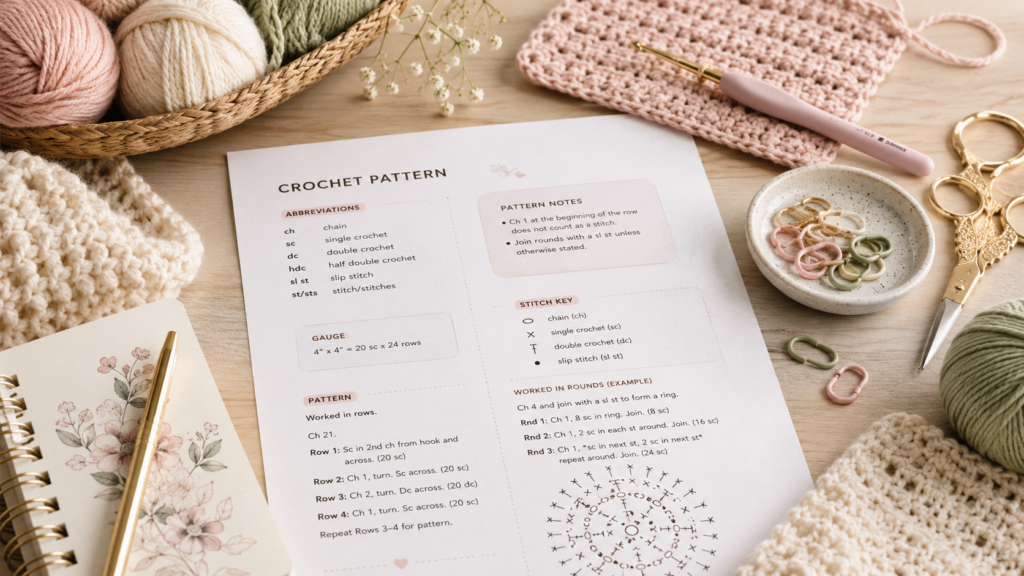
How to Read a Crochet Pattern for Beginners

How to Read a Crochet Pattern for Beginners: A Simple Guide Starting your first crochet project is exciting, but opening a pattern and seeing abbreviations such as ch, sc, dc, inc, and sl st can feel confusing at first. Many beginners assume crochet patterns are difficult to understand because they look like a different language. In reality, every crochet pattern follows a simple structure. Once you understand the basic terms, stitch counts, rows, rounds, and instructions, you can confidently start making beautiful handmade projects. Whether you want to crochet a cute amigurumi animal, a flower vase, a basket bag, or simple home décor, learning how to read a crochet pattern is one of the most useful skills you can build. This beginner crochet guide explains how to read a crochet pattern step by step, what common crochet abbreviations mean, and how to make your first digital crochet pattern PDF feel easy and enjoyable. What Is a Crochet Pattern? A crochet pattern is a written set of instructions that tells you how to make a project using yarn and a crochet hook. It explains which stitches to use, how many times to repeat them, when to change colors, and how to shape the finished item. Patterns can be printed in books, shared online, or downloaded as a digital crochet pattern PDF. A PDF crochet pattern is especially convenient because you can save it on your phone, tablet, or computer and use it whenever you are ready to crochet. Most beginner crochet patterns include: A list of materials and tools Yarn recommendations Crochet hook size Crochet abbreviations Step-by-step instructions Stitch counts for each row or round Helpful notes and tips Photos or visual references in some patterns At Sellixy, our digital crochet patterns are designed to make handmade projects feel more approachable, especially for makers who are still learning the basics. Start With the Materials List Before you begin reading the actual crochet instructions, always look at the materials list. This section tells you exactly what you need to complete the project. A typical crochet pattern for beginners may include: Yarn type and weight Suggested yarn colors Crochet hook size Yarn needle Stitch markers Scissors Safety eyes or stuffing for amigurumi projects Optional decorations such as buttons, ribbons, or charms Yarn weight is especially important. A pattern written for chunky yarn may not turn out the same if you use thin cotton yarn. Similarly, changing the crochet hook size can affect the size, texture, and shape of your finished project. For your first few easy crochet projects, try to follow the recommended yarn and hook size as closely as possible. Once you gain confidence, you can start experimenting with different yarns and colors. Understand Common Crochet Abbreviations Crochet patterns use abbreviations to keep the instructions short and easy to follow. You do not need to memorize every abbreviation immediately. Most digital crochet pattern PDFs include an abbreviation guide near the beginning. Here are some of the most common crochet abbreviations for beginners: ch – chain sc – single crochet hdc – half double crochet dc – double crochet tr – treble crochet sl st – slip stitch st – stitch sts – stitches inc – increase dec – decrease rep – repeat sk – skip BLO – back loop only FLO – front loop only For example, an instruction may say: Sc in next 3 sts, inc in next st. (5) This means you should make one single crochet in each of the next three stitches, then make an increase in the next stitch. At the end of the row or round, you should have five stitches in total. The number inside brackets or parentheses is usually the final stitch count. Always check this number because it helps you confirm that you are following the pattern correctly. Learn the Difference Between Rows and Rounds Crochet projects are usually worked in rows or rounds. Crochet Rows Rows are used when you crochet back and forth in a flat shape. Scarves, blankets, washcloths, and flat bag panels are often made in rows. A row pattern may look like this: Row 1: Ch 20, sc in second ch from hook and across. (19) After finishing the row, you turn your work and start the next row from the opposite direction. Crochet Rounds Rounds are commonly used for circular or three-dimensional projects such as amigurumi, flowers, baskets, coasters, and crochet toys. A round pattern may look like this: Round 1: 6 sc in magic ring. (6) This means you make six single crochet stitches into a magic ring. Then you continue working in a circle. Many amigurumi crochet patterns are worked in continuous rounds. This means you do not join each round with a slip stitch. Instead, you keep crocheting around in a spiral. A stitch marker is very useful because it helps you track the beginning of each round. Read the Stitch Count Carefully The stitch count is one of the most important parts of any crochet pattern. It tells you how many stitches you should have after completing a row or round. For example: Round 3: (Sc, inc) repeat 6 times. (18) This instruction means: Make one single crochet. Make one increase. Repeat that sequence six times. You should have eighteen stitches at the end. If your stitch count does not match the number written in the pattern, stop and check your work before continuing. It is much easier to fix one round than to discover a mistake after completing half the project. For beginners, counting stitches after every row or round can feel slow, but it quickly becomes a helpful habit. Accurate stitch counts create neat shapes, especially in plush crochet projects and amigurumi patterns. Understand Repeats and Brackets Crochet patterns often use brackets, parentheses, or asterisks to show which instructions you need to repeat. For example: (Sc 2, inc) x 6 This means: Make two single crochet stitches. Make one increase. Repeat the complete sequence six times. Another example: [Sc, dc,

Scroll to Top