Things Needed for Crochet: Complete Beginner Materials Guide
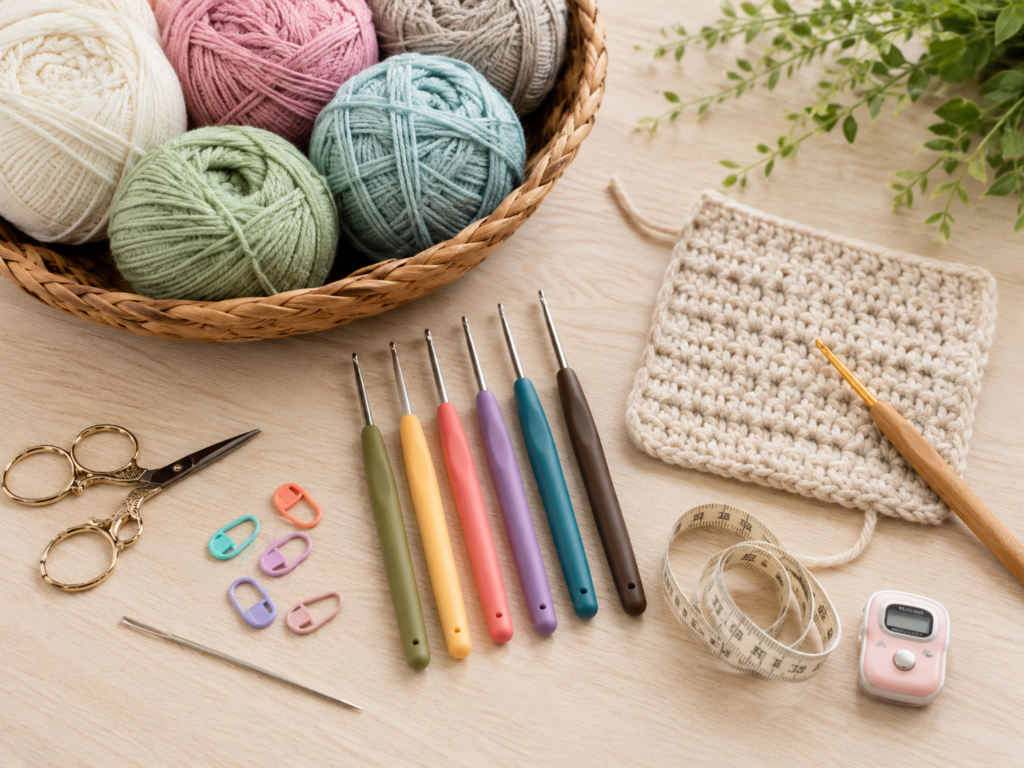
Starting crochet can feel confusing when you see so many yarns, hooks, kits, needles, stitch markers, and accessories online. A beginner may think they need everything before making their first project, but the truth is simple: you only need a small list of crochet essentials to begin.
This guide by Sellixy explains the most important things needed for crochet in a beginner-friendly way. Whether you want to make crochet toys, bags, flowers, blankets, hats, scarves, or home décor, the right materials will make learning easier and more enjoyable.
If you are completely new and searching for things needed to crochet, this article will help you understand what each tool does, why it matters, and what you should buy first.
What Are the Basic Things Needed for Crochet?
Crochet is created by using a hook to pull loops of yarn through other loops. Because of this, the two most important crochet beginner materials are yarn and a crochet hook. Without these two items, you cannot start.
However, to finish a neat project, you will also need a few small tools such as scissors, stitch markers, a tapestry needle, and measuring tape. These are the main crochet necessities every beginner should keep in their starter kit.
The good news is that crochet is not an expensive hobby to start. You do not need a large professional tool set on day one. Begin with simple, comfortable, easy-to-use materials. Once you understand the basics, you can slowly add more tools based on the type of projects you enjoy.
Crochet Essentials Checklist for Beginners
Here is a simple beginner checklist:
- Yarn
- Crochet hook
- Scissors
- Stitch markers
- Tapestry needle or yarn needle
- Measuring tape
- Row counter, optional
- Pins, optional
- Stuffing, if making toys
- Safety eyes, if making amigurumi
- Project bag, optional
These are the most useful crochet tools for beginners. You can make many simple projects with just these supplies.
1. Yarn: The Main Material for Crochet
Yarn is the material you use to create your crochet project. It comes in different thicknesses, textures, colours, and fibres.
For beginners, medium-weight yarn is usually the easiest to work with. It is not too thin and not too bulky, so you can clearly see your stitches. This makes it easier to learn basic crochet techniques like chain stitch, single crochet, half double crochet, and double crochet.
Best Yarn for Beginners
If you are buying yarn for the first time, choose:
- Medium weight yarn
- Smooth texture
- Light or medium colour
- Acrylic, cotton, or cotton-blend yarn
- Yarn that does not split easily
Avoid very fluffy, furry, dark, slippery, or very thin yarn when you are learning. These yarns can make it difficult to see where your hook should go.
Which Yarn Colour Is Best?
Light colours are better for beginners because the stitches are easier to see. Cream, beige, light pink, light blue, mint, lavender, and soft yellow are good choices. Black or dark brown yarn can look beautiful, but it is harder for beginners because the stitches are less visible.
2. Crochet Hook: The Tool That Makes the Stitches
A crochet hook is the main tool used to pull yarn through loops. Hooks come in different sizes, and the correct hook size depends on your yarn thickness.
For most beginner projects, a 4 mm, 5 mm, or 5.5 mm hook is a good starting point. If you are using medium-weight yarn, these sizes usually work well.
What Type of Crochet Hook Should Beginners Use?
Beginners can use aluminium, plastic, bamboo, or ergonomic hooks. Ergonomic hooks have a soft handle, which can feel more comfortable if you crochet for a long time.
When starting, you do not need a full hook set unless you plan to make many different projects. One or two basic hooks are enough for your first practice pieces.
How to Choose the Right Hook Size
Check the yarn label. Most yarn labels suggest a hook size. Start with that recommendation, then adjust if needed.
If your stitches are too tight, use a slightly bigger hook. If your stitches are too loose, use a slightly smaller hook.
3. Scissors: For Clean Yarn Cutting
Scissors are one of the simplest but most important crochet tools for beginners. You need them to cut yarn after finishing a row, changing colours, joining new yarn, or completing a project.
You do not need expensive scissors at the beginning. Any sharp scissors will work. However, small craft scissors are easier to keep in a crochet bag and are useful for cutting yarn neatly.
A clean cut helps when threading yarn through a tapestry needle and weaving in ends.
4. Stitch Markers: Small Tools That Prevent Mistakes
Stitch markers are very helpful, especially for beginners. They are used to mark important points in your crochet work.
You can use stitch markers to mark:
- The first stitch of a round
- Increase points
- Decrease points
- Sleeve or handle placement
- Pattern repeat sections
- Where to attach another piece
If you are making amigurumi toys, baskets, bags, hats, or round projects, stitch markers are essential. They help you know where each round starts and prevent losing count.
Beginner Alternative
If you do not have stitch markers, you can use a safety pin, paper clip, or small piece of scrap yarn. But locking stitch markers are easier and safer to use because they stay in place.
5. Tapestry Needle or Yarn Needle
A tapestry needle, also called a yarn needle, is used to sew crochet pieces together and weave in loose ends.
This needle is different from a regular sewing needle. It has a large eye so thick yarn can pass through easily. It may be plastic or metal, and both types work well.
You will use a tapestry needle for:
- Sewing amigurumi arms and legs
- Attaching crochet flowers
- Closing small holes
- Weaving in yarn tails
- Adding embroidery details
- Sewing bag panels together
If you want your finished crochet projects to look clean and professional, this tool is a must-have.
6. Measuring Tape: Important for Size Accuracy
A measuring tape is especially useful if you are making wearable items, bags, blankets, hats, or home décor.
Crochet size can change depending on your yarn, hook, and tension. Measuring helps you check if your project is turning out the correct size.
Use measuring tape to check:
- Width
- Height
- Strap length
- Hat circumference
- Blanket size
- Bag depth
- Toy height
- Gauge swatch size
For Sellixy-style crochet patterns, where customers may make bags, plush toys, flowers, and home décor, measurement guidance is very important.
7. Stuffing for Amigurumi and Plush Projects
If you want to make crochet toys, animals, dolls, pillows, or plush décor, you will need polyester fiberfill stuffing.
Stuffing gives shape to your project. The amount of stuffing matters. Too little stuffing can make the item look flat. Too much stuffing can stretch the stitches and make gaps visible.
Stuffing Tip for Beginners
Add stuffing slowly in small amounts. Shape the project with your hands as you go. For small parts like arms, legs, ears, and tails, use the back of a crochet hook or a pencil to push stuffing gently into place.
8. Safety Eyes and Embroidery Thread
Safety eyes are commonly used for crochet animals and amigurumi toys. They give a clean and cute finish. However, if the item is for a baby or small child, embroidered eyes are usually a safer choice.
You can use black yarn or embroidery thread to sew sleepy eyes, eyelashes, noses, smiles, eyebrows, and small face details.
For beginner-friendly crochet toys, embroidered faces are a good option because they do not require extra plastic parts.
9. Row Counter and Notebook
A row counter is optional, but it can be very useful. It helps you track how many rows or rounds you have completed.
A simple notebook also works well. Write down your hook size, yarn brand, colour, number of rounds, and any changes you made. This is helpful if you want to make the same project again.
For crochet sellers, keeping notes is even more important because it helps create consistent handmade items and accurate patterns.
10. Project Bag or Storage Pouch
A project bag is not required, but it keeps your crochet tools organised. You can store your yarn, hook, scissors, stitch markers, measuring tape, and pattern in one place.
This is helpful if you crochet while travelling, watching TV, or moving between rooms.
Beginner Crochet Kit vs Buying Separately
Many beginners ask whether they should buy a crochet kit or choose materials separately.
A beginner crochet kit is useful if you want everything in one package. It may include hooks, yarn, needles, stitch markers, stuffing, and instructions.
Buying separately is better if you want to choose your own yarn colours and higher-quality tools. For most beginners, a small starter kit plus a few yarn colours is enough.
Best First Crochet Projects for Beginners
Once you have the basic materials for crochet beginners, start with simple projects.
Good beginner projects include:
- Crochet coaster
- Simple scarf
- Dishcloth
- Small flower
- Basic granny square
- Mini pouch
- Simple amigurumi ball
- Small basket
Avoid very complicated lace, large garments, and advanced colourwork until you understand basic stitches and tension.
Final Crochet Essentials Buying Guide
If you want the simplest beginner shopping list, start with these crochet necessities:
- 1 medium-weight yarn ball
- 1 crochet hook, around 4 mm to 5.5 mm
- 1 pair of scissors
- 1 pack of stitch markers
- 1 tapestry needle
- 1 measuring tape
If you want to make toys, also buy stuffing and embroidery thread or safety eyes.
These things needed for crochet will help you begin without feeling overwhelmed. You can always add more tools later as your skills improve.
Final Thoughts
Crochet is a relaxing and creative hobby, but beginners should not feel pressured to buy every tool immediately. Start with simple crochet essentials, practise basic stitches, and choose beginner-friendly yarn and hooks.
The right crochet beginner materials can make learning easier, cleaner, and more enjoyable. Whether you want to create handmade gifts, home décor, plush toys, bags, flowers, or digital pattern projects, your crochet journey begins with a few simple tools.
At Sellixy, we believe crochet should feel easy, beautiful, and beginner-friendly. Start small, learn slowly, and enjoy every stitch.
Find a Pattern You’ll Love Making.
Explore beginner-friendly digital crochet patterns for plushies, bags, home décor, and thoughtful handmade gifts.
Shop Digital Crochet Patterns →