10 Essential Crochet Supplies For Every Beginners Needs
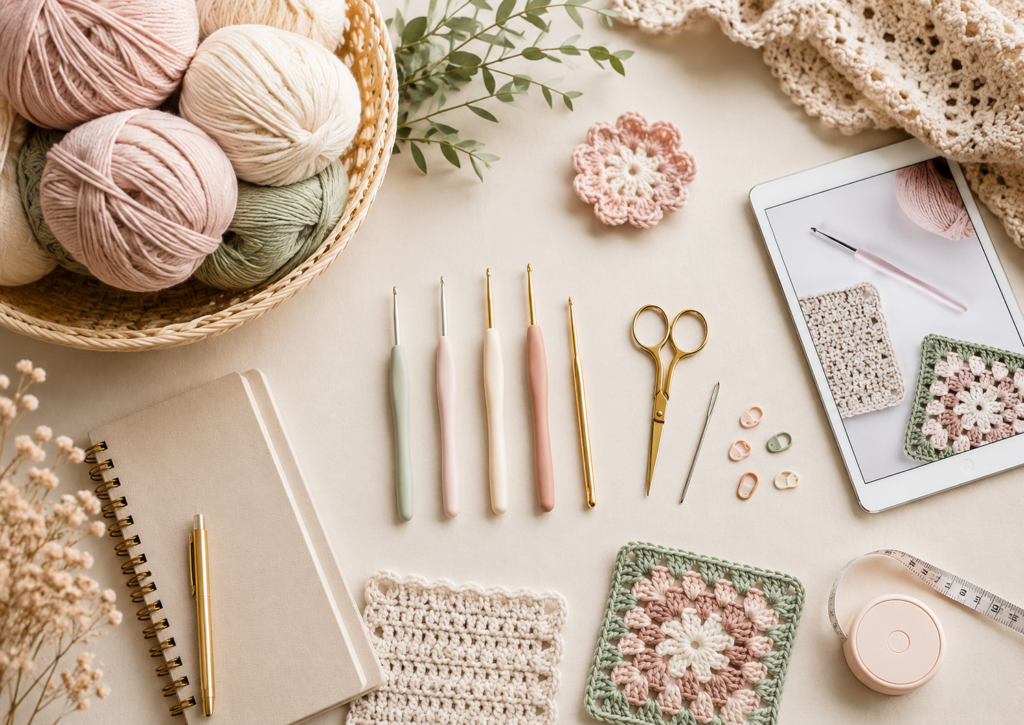
Starting crochet is one of the most relaxing and rewarding creative hobbies you can choose. With just a few simple tools, you can turn yarn into cozy home décor, handmade gifts, cute amigurumi animals, stylish bags, and meaningful keepsakes.
However, walking into a craft store or searching online for crochet supplies can feel overwhelming at first. There are different yarn weights, dozens of crochet hook sizes, stitch markers, needles, measuring tools, and accessories that may seem necessary. The good news is that you do not need to buy everything at once.
A beginner crochet kit can be simple, affordable, and easy to build. Once you have the right essential crochet tools, you can confidently begin your first project and learn as you go.
This guide explains the 10 essential crochet supplies every beginner needs, why each item matters, and how to choose the best options for your first few crochet projects.
1. Yarn for Beginners
Yarn is the heart of every crochet project, so choosing the right one makes learning much easier.
For beginners, medium-weight yarn is usually the best place to start. It is often labelled as worsted weight, aran, or medium 4 yarn. This type of yarn is thick enough to see your stitches clearly, but not so bulky that your project becomes difficult to manage.
A smooth yarn is also easier to work with than fuzzy or textured yarn. While fluffy yarn can look beautiful in finished projects, it may hide your stitches and make it harder to count rows when you are learning.
For your first crochet projects, look for yarn that is:
- Medium weight or worsted weight
- Smooth and easy to see
- Soft but not overly fuzzy
- Made from cotton, acrylic, or a cotton blend
- A light or medium color
Light colors such as cream, soft pink, sage green, pale blue, beige, or light grey are easier for beginners because you can see each stitch clearly. Very dark yarn, especially black, navy, or deep brown, can make it difficult to spot where your hook should go.
Acrylic yarn is affordable, soft, and widely available. Cotton yarn is also popular, especially for bags, coasters, flowers, and home décor. You do not need expensive yarn to begin. Start with something comfortable, simple, and easy to work with.
2. Crochet Hooks in the Right Size
A crochet hook is the main tool used to create crochet stitches. Hooks come in many sizes, and the correct size depends on the yarn you are using.
Most yarn labels recommend a crochet hook size. For medium-weight yarn, a 4.5 mm, 5 mm, or 5.5 mm crochet hook is often a comfortable starting point.
For beginners, ergonomic crochet hooks are a great choice because they have a soft handle that feels more comfortable in your hand. This can reduce strain if you are practicing for longer periods.
A beginner-friendly crochet hook set may include several sizes, but you only need one or two hooks to start. A 5 mm hook is one of the most useful sizes for many easy crochet projects.
When choosing your first crochet hook, consider:
- A comfortable grip
- Smooth metal, aluminum, or plastic material
- Clearly marked hook size
- A size recommended for your chosen yarn
- A hook that feels easy to hold without slipping
Your hook size affects the look of your stitches. A larger hook creates looser stitches, while a smaller hook creates tighter stitches. With practice, you will learn which hook sizes work best for different types of yarn and projects.
3. A Simple Beginner Crochet Pattern
A clear pattern is just as important as yarn and hooks. A good beginner crochet pattern helps you understand each step without making the project feel overwhelming.
Choose a pattern that uses basic crochet stitches such as chain stitch, single crochet, slip stitch, or double crochet. Projects with simple shapes and clear instructions are ideal when you are building confidence.
Great first crochet projects include:
- Small flowers
- Coasters
- Granny squares
- Simple scarves
- Mini baskets
- Basic pouches
- Easy amigurumi shapes
- Small decorative home items
A digital crochet pattern PDF is useful because you can keep it on your phone, tablet, or laptop while working. You can zoom in, revisit instructions, and save the pattern for future use.
Before starting, read through the full pattern once. Check the materials list, abbreviations, stitch count, and notes. This helps you understand what the project needs before you begin crocheting.
At Sellixy, beginner-friendly digital crochet patterns are designed to help makers enjoy the process without feeling lost in complicated instructions.
4. Sharp Scissors
Scissors may seem simple, but they are one of the most essential crochet supplies. You will use them to cut yarn, trim loose ends, and finish your project neatly.
A small pair of sharp craft scissors is ideal. They should cut yarn cleanly without pulling or fraying it.
You do not need large fabric scissors for crochet. Small embroidery scissors, yarn scissors, or compact craft scissors are easy to keep in your crochet bag and perfect for everyday use.
Choose scissors that are:
- Sharp enough to cut yarn cleanly
- Small and easy to carry
- Comfortable to use
- Kept only for yarn and craft projects
Using sharp scissors helps your finished project look cleaner and makes it easier to weave in yarn ends later.
5. Yarn Needles for Finishing
A yarn needle, sometimes called a tapestry needle, is used to weave in loose yarn ends after you finish crocheting.
Unlike a sewing needle, a yarn needle has a larger eye so thick yarn can pass through easily. Most yarn needles also have a blunt tip, which helps prevent splitting the yarn while weaving it through stitches.
You will use a yarn needle for tasks such as:
- Weaving in loose ends
- Sewing crochet pieces together
- Attaching flowers or decorative details
- Joining granny squares
- Adding facial details to amigurumi projects
- Closing small openings in stuffed crochet toys
For beginners, a set of blunt metal or plastic yarn needles is enough. Look for needles with large eyes that are easy to thread.
Finishing is an important part of crochet. Taking a few extra minutes to neatly weave in your ends can make your project look polished and handmade with care.
6. Stitch Markers
Stitch markers are small clips, rings, or locking markers used to help you track specific stitches or rounds.
They are especially useful when you are making amigurumi crochet patterns, baskets, flowers, or any project worked in continuous rounds. In these projects, it can be easy to lose track of where one round ends and the next begins.
Place a stitch marker in the first stitch of each round. As you complete the round, move the marker up to the first stitch of the next round.
Stitch markers can also help you:
- Mark increases and decreases
- Identify the beginning of a row
- Keep track of repeat sections
- Mark where to attach pieces later
- Prevent counting mistakes
You can buy plastic locking stitch markers, but simple alternatives also work. A paper clip, safety pin, bobby pin, or small piece of contrasting yarn can be used as a temporary marker.
For beginners, stitch markers are one of the easiest ways to make crochet feel more organized and less stressful.
7. A Measuring Tape
A flexible measuring tape is useful when you want to check the size of your crochet project.
Not every project needs exact measurements, but measuring becomes important for items such as bags, blankets, clothing, headbands, baskets, and fitted accessories.
A measuring tape can help you:
- Check the width and length of your project
- Compare your work with pattern measurements
- Measure crochet gauge
- Make matching pieces the same size
- Ensure bag straps or handles are even
A soft tape measure is better than a rigid ruler because it can easily bend around crochet shapes and curves.
For simple beginner projects, you may not need to measure often. Still, keeping a small measuring tape in your crochet kit is helpful as your skills grow.
8. A Project Bag or Storage Basket
Crochet projects often involve yarn, hooks, patterns, scissors, stitch markers, needles, and small accessories. A project bag or storage basket helps keep everything together.
You do not need a special crochet bag to begin. A tote bag, zip pouch, fabric basket, or small storage box can work well.
A dedicated project bag is useful because it keeps your yarn clean and prevents it from becoming tangled. It also means you can easily take your crochet project with you while travelling, sitting at a café, waiting for an appointment, or relaxing at home.
Your crochet storage should have space for:
- Yarn
- Crochet hooks
- Scissors
- Stitch markers
- Yarn needles
- Printed or digital pattern notes
- Completed pieces waiting to be assembled
Keeping your tools organized makes your crochet time feel calmer and more enjoyable.
9. A Notebook or Crochet Journal
A small notebook is not essential for every project, but it quickly becomes one of the most useful crochet accessories.
Use a crochet journal to write down:
- Hook sizes you like
- Yarn brands and colors
- Pattern names
- Changes you make to a pattern
- Stitch counts
- Project ideas
- Measurements
- Notes about what worked well
For example, you may adjust the size of a bag, use a different yarn color, or add extra rounds to make an amigurumi toy larger. Writing these changes down helps you recreate the result later.
A notebook is also helpful when you are learning new stitches. You can write the abbreviation, stitch name, and a simple reminder of how it works.
Crochet is creative, but it also involves small details. Keeping notes makes it easier to improve with every project.
10. Patience and a Willingness to Practice
The final essential crochet supply is not something you buy. It is patience.
Every beginner drops stitches, misses a count, holds the yarn awkwardly, or needs to undo a few rows. This is completely normal. Crochet is a skill, and each project teaches you something new.
Do not expect your first project to look perfect. Focus on learning the rhythm of the stitches, understanding the pattern, and enjoying the time you spend creating.
When something goes wrong, pause and check the instructions. Count your stitches, use your stitch marker, and undo only what you need to fix. With every small correction, you become more confident.
The beauty of crochet is that you can always try again. Yarn can be unraveled, stitches can be remade, and every project gives you another chance to learn.
Frequently Asked Questions About Beginner Crochet Supplies
What is the best yarn for beginner crochet?
Medium-weight acrylic or cotton yarn in a light color is usually best for beginners. It is easy to see, smooth to work with, and suitable for many simple crochet projects.
What crochet hook size should a beginner use?
A 5 mm crochet hook is a popular choice for beginner projects using medium-weight yarn. Always check the yarn label or pattern recommendation before starting.
Do beginners need a full crochet hook set?
No. You can begin with one or two hooks that match your yarn. A full set is useful later, but it is not necessary for your first project.
Are stitch markers necessary for crochet?
Stitch markers are highly recommended, especially for amigurumi, crochet toys, flowers, and projects worked in continuous rounds. They help prevent counting mistakes.
What is the easiest first crochet project?
Small coasters, flowers, granny squares, simple scarves, and mini pouches are great beginner projects because they use basic stitches and manageable shapes.
Build Your Crochet Kit and Start Creating
You do not need a large collection of supplies to start crocheting. A ball of yarn, one comfortable hook, scissors, a yarn needle, stitch markers, and a clear beginner crochet pattern are enough to begin.
Start small, practice the basic stitches, and let each project build your confidence. Over time, your crochet kit will naturally grow along with your skills.
Ready to create something beautiful with yarn? Explore Sellixy’s beginner-friendly digital crochet patterns for handmade décor, thoughtful gifts, cute plush projects, accessories, and cozy creative moments.
Find a Pattern You’ll Love Making.
Explore beginner-friendly digital crochet patterns for plushies, bags, home décor, and thoughtful handmade gifts.
Shop Digital Crochet Patterns →